Biodiversity and climate change are the focus of InquireFirst environmental investigative journalism workshop

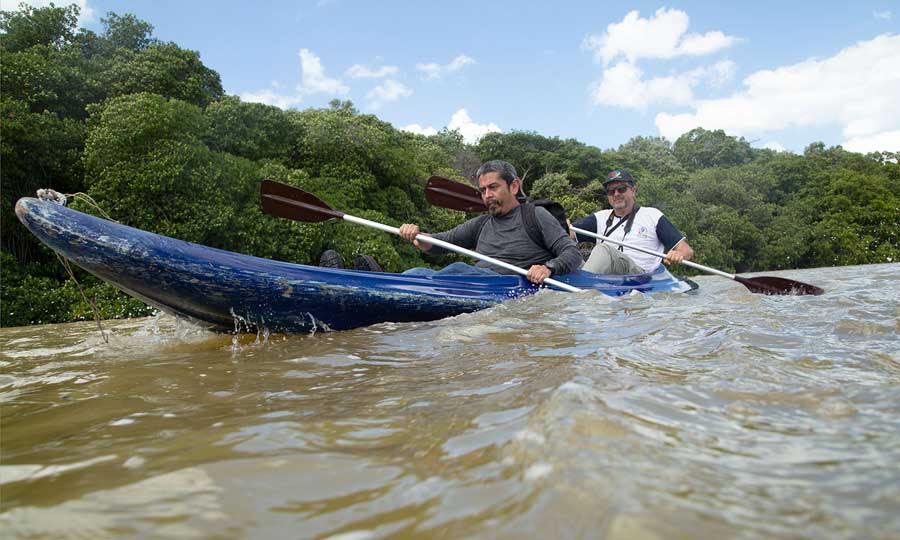
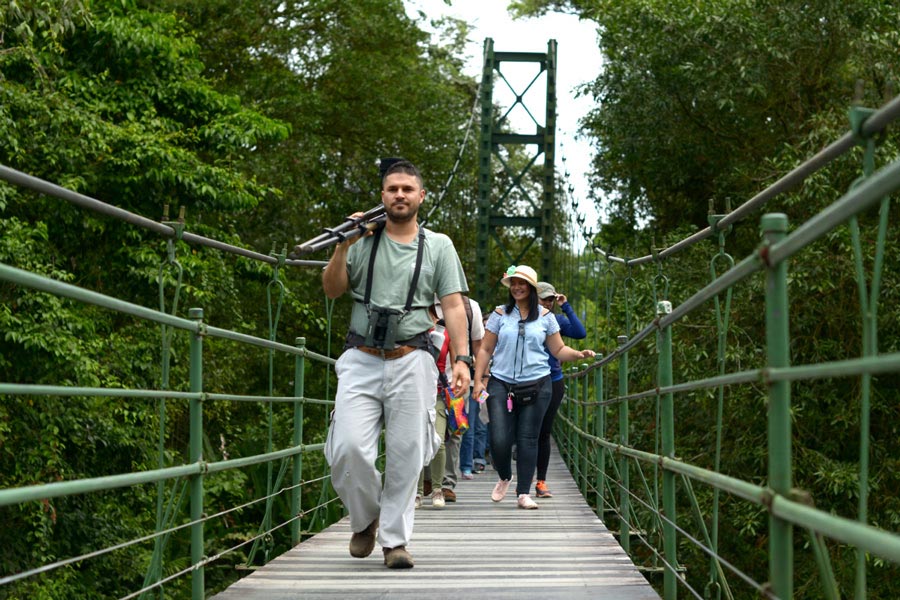
MERIDA, Mexico – “There’s no more important work than the work being done by journalists,” said Brian O’Donnell, director of Campaign for Nature, during a February 2020 environmental investigative journalism workshop organized by InquireFirst.

As the world witnesses a “massive acceleration in extinction” of species, coverage of biodiversity by environmental journalists can underscore the growing crisis and the need for large expanses of land and sea to be protected from logging, agriculture and fishing, he said.

InquireFirst instructs investigative journalism workshops in Medellin and Cali

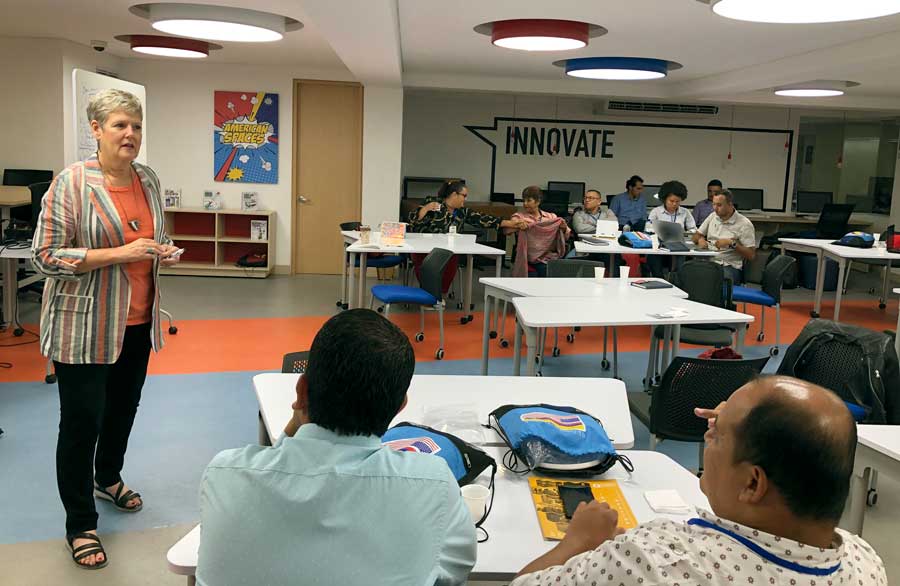
MEDELLIN, Colombia – InquireFirst Executive Director Lynne Walker met with journalists in Medellín and Cali, Colombia, July 29-August 3 to discuss new techniques for conducting investigative reporting.

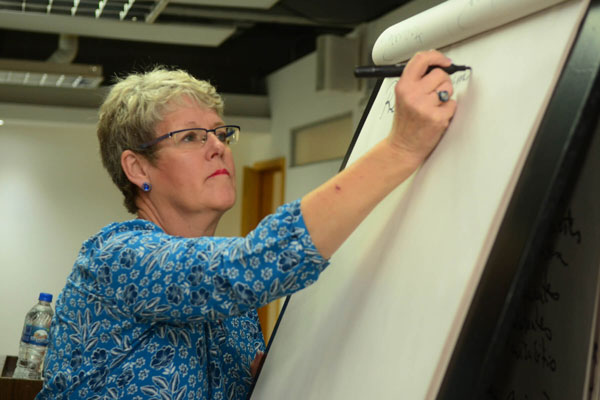
During the programs organized by the Public Affairs Section of the U.S. Embassy in Bogotá, Walker led interactive sessions with journalists who cover corruption, organized crime and public safety issues.  She focused her workshop sessions on journalist safety as well as effective interview techniques and narrative writing.

InquireFirst launches Historias Sin Fronteras at World Conference of Science Journalists

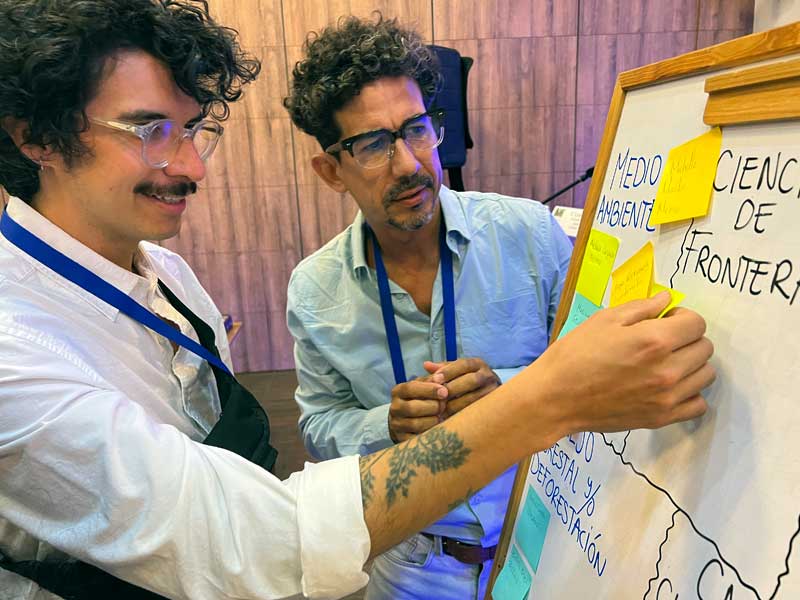
LAUSANNE, Switzerland – We’re pleased to announce that InquireFirst has awarded our first reporting grants to a team of Latin American science writers to support their work on a cross-border regional health story.

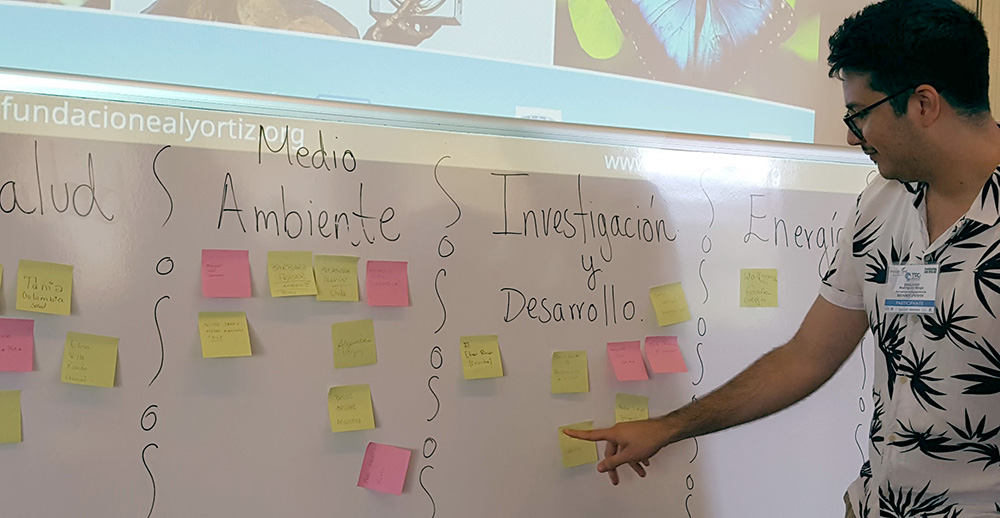
The reporters on the team were selected during our Jack F. Ealy Science Journalism Workshop, which was held on July 1 in Lausanne, Switzerland during the 2019 World Conference of Science Journalists (WCSJ2019).

InquireFirst leads regional Science and Health Journalism Seminar in Mexico City

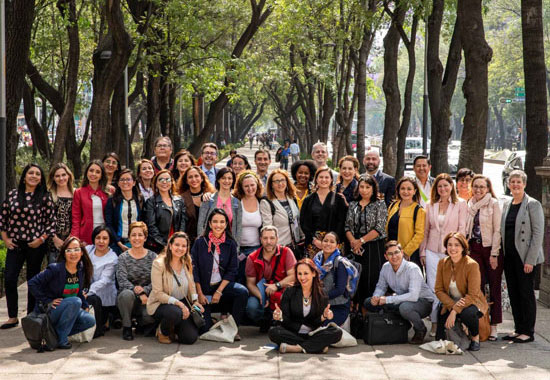
MEXICO CITY – “Writing is music…language can be used in so many creative ways,” Deborah Blum, director of the Knight Science Journalism Program at MIT, told almost 30 science and health journalists attending our regional workshop in Mexico City.

As Blum lead journalists through an interactive workshop on narrative science writing, she told them “we are the best people in the world to remind people that science is a part of their daily life.”

Top U.S. journalists instruct Transparency and Investigative Reporting Workshop

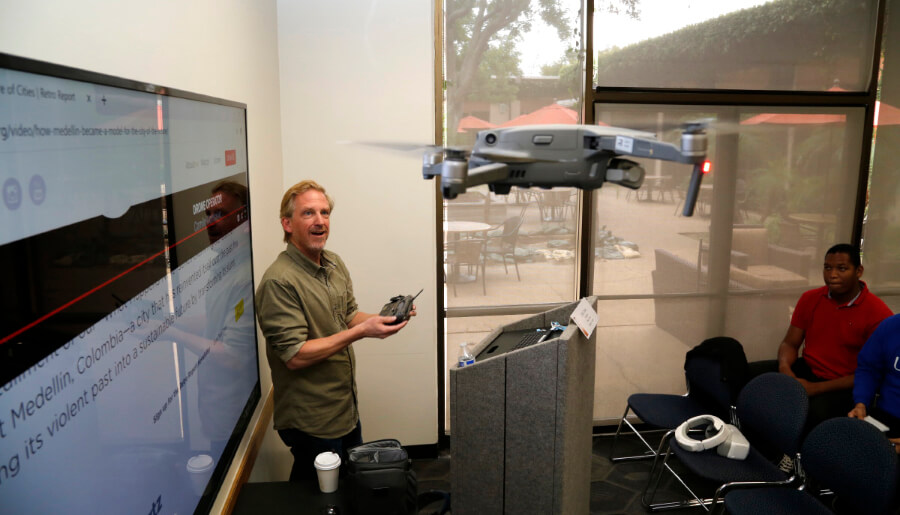
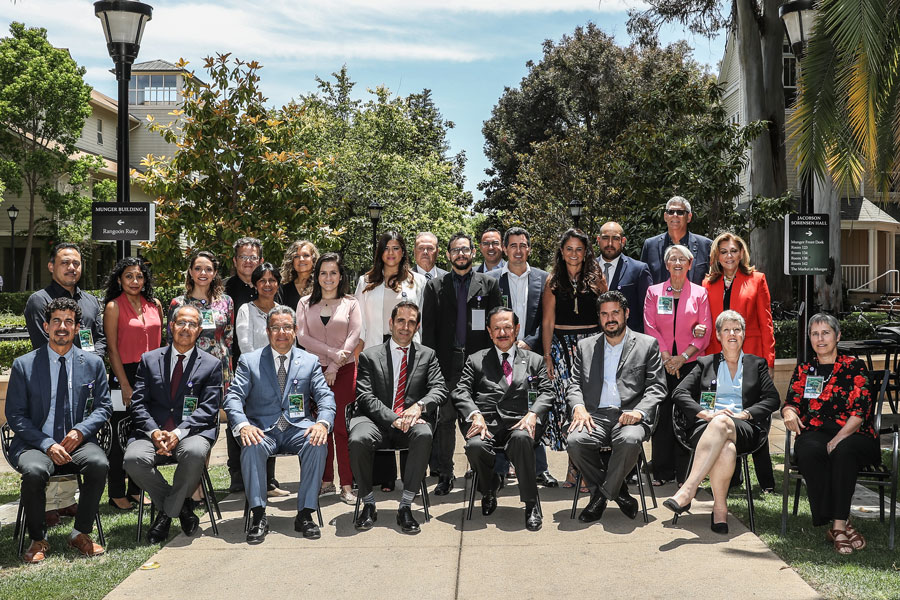
FULLERTON, Calif. – Top U.S. journalists joined InquireFirst as speakers at our  “Transparency and Investigative Reporting” workshop Feb. 25-March 1, when Latin American journalists traveled to Southern California to attend sessions on fact-checking, in-depth investigative reporting, cyber security and reporting with drones.

Among our speakers were:

InquireFirst Executive Director Lynne Walker travels to Ecuador to lead investigative reporting workshops

GUAYAQUIL, Ecuador — S. Lynne Walker, President and Executive Director of InquireFirst, traveled to Guayaquil and Quito, Ecuador, in January 2019 to instruct a series of interactive workshops titled “Investigative Journalism in High-Risk Situations.”

In Guayaquil, journalists from newspapers, television networks and online news sites participated in a nine-hour interactive training session conducted by Walker on January 14-15. During the first session – a spirited discussion that engaged the journalists in a dialogue about the “do’s and don’ts” of coverage — Walker focused on techniques for gaining access and finding credible sources for investigative reports, as well as new approaches to interviewing subjects who have delicate information to share.

New opportunities for Latin American reporters and editors announced during Jack F. Ealy Science Journalism Workshop

PALO ALTO, Calif. – Latin American science journalists were presented with a host of new professional development opportunities during the Jack F. Ealy Science Journalism Workshop at Stanford University.

The June 17-21, 2018 workshop, organized by InquireFirst and Mexico City-based Fundación Ealy Ortiz, focused on training opportunities – with Latin American science journalists as both participants and instructors – as well as steps to form a regional science journalism network.

Making a difference Zika workshop focuses on international collaboration

SAN JOSE, Costa Rica – Science and health journalism should not be limited by international borders. Complex new health threats such as Zika virus that occur in a “noisy” media environment require a new model of reporting, Andrew Revkin, strategic adviser on science and environmental journalism for The National Geographic Society, told reporters and editors at a regional science journalism workshop organized by InquireFirst in collaboration with the U.S. Embassy in Costa Rica.

Walker and InquireFirst media partner Fundación para el Periodismo team to offer training to investigative journalists in Bolivia

LA PAZ, Bolivia – These were the last days of class for a committed group of journalists who had been studying and reporting and writing all year to earn a masters-level certificate in investigative journalism.

InquireFirst Executive Director Lynne Walker, who worked for several weeks with the journalists on line, traveled to La Paz to instruct them on finding sources and on organizing and writing their stories.